
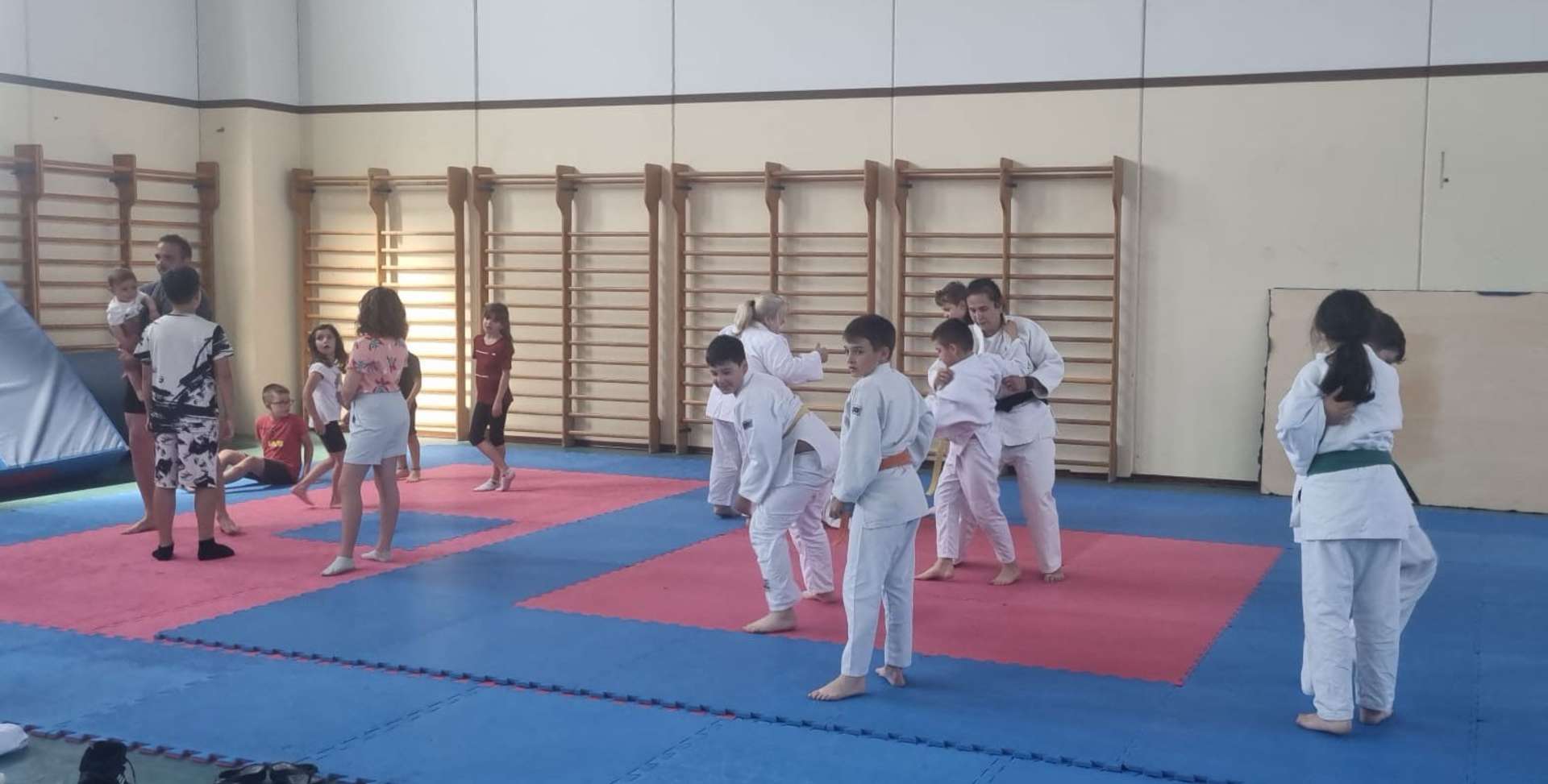
Organised as part of Italy’s National Sports Day, promoted by the Italian National Olympic Committee (CONI), and included within the Friuli Venezia Giulia regional project ‘Fly High with Sport,’ the event welcomed children and teenagers aged 6 to 17 for a morning dedicated to discovery, learning and personal growth.
Throughout the school’s renowned indoor and outdoor spaces, participants moved between a series of activity stations led by experienced instructors. At the heart of the programme stood judo, with its educational philosophy providing a natural bridge between movement, learning and personal development. Alongside other activities, young participants discovered how martial arts teach respect, self-control, resilience and the ability to overcome difficulties. For instance, artistic and rhythmic gymnastics encouraged balance, co-ordination and precision, while parkour invited participants to challenge both physical and mental barriers.
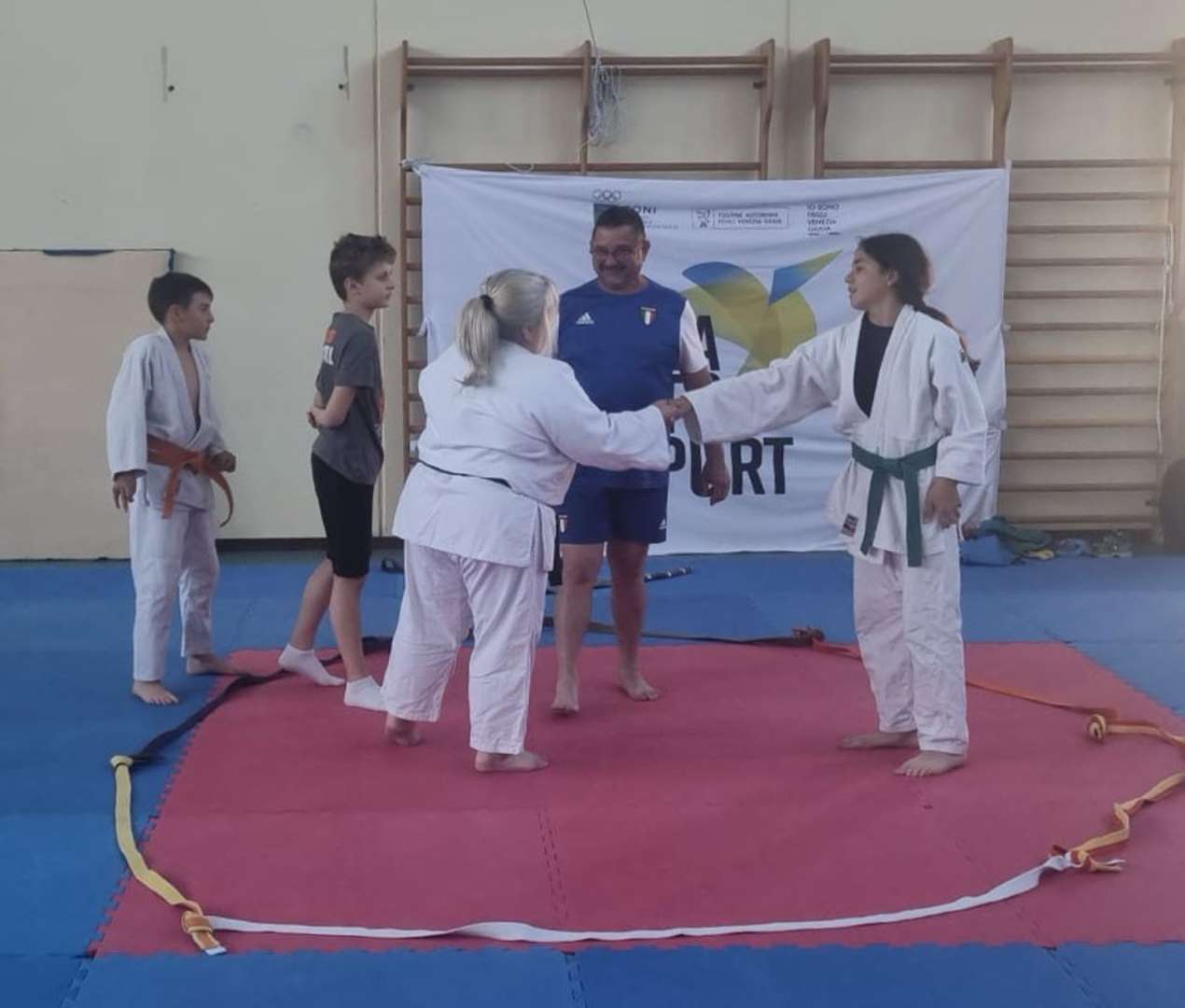
For many of the children, judo offered more than technical skills. Through games, movement and interaction with others, they experienced one of the sport’s most important lessons: learning that falling is not failure but an opportunity to stand up again stronger than before. This message resonated perfectly with the wider objectives of the event.
What made the initiative particularly special was the choice of venue. The Friuli Mosaic School was far more than a host location; it became an integral part of the educational experience. Organisers used the art of mosaic as a powerful metaphor for inclusion. Just as every individual tile contributes to the beauty and harmony of a finished masterpiece, every young person contributes to the strength of a community through their unique qualities, talents and experiences.
This message of inclusion was reflected throughout the event. Activities were designed to be fully accessible, ensuring that children and teenagers with disabilities could participate alongside their peers in a welcoming and supportive environment. In this respect, the values promoted through judo, such as mutual respect, friendship and solidarity, found a natural expression beyond the tatami.
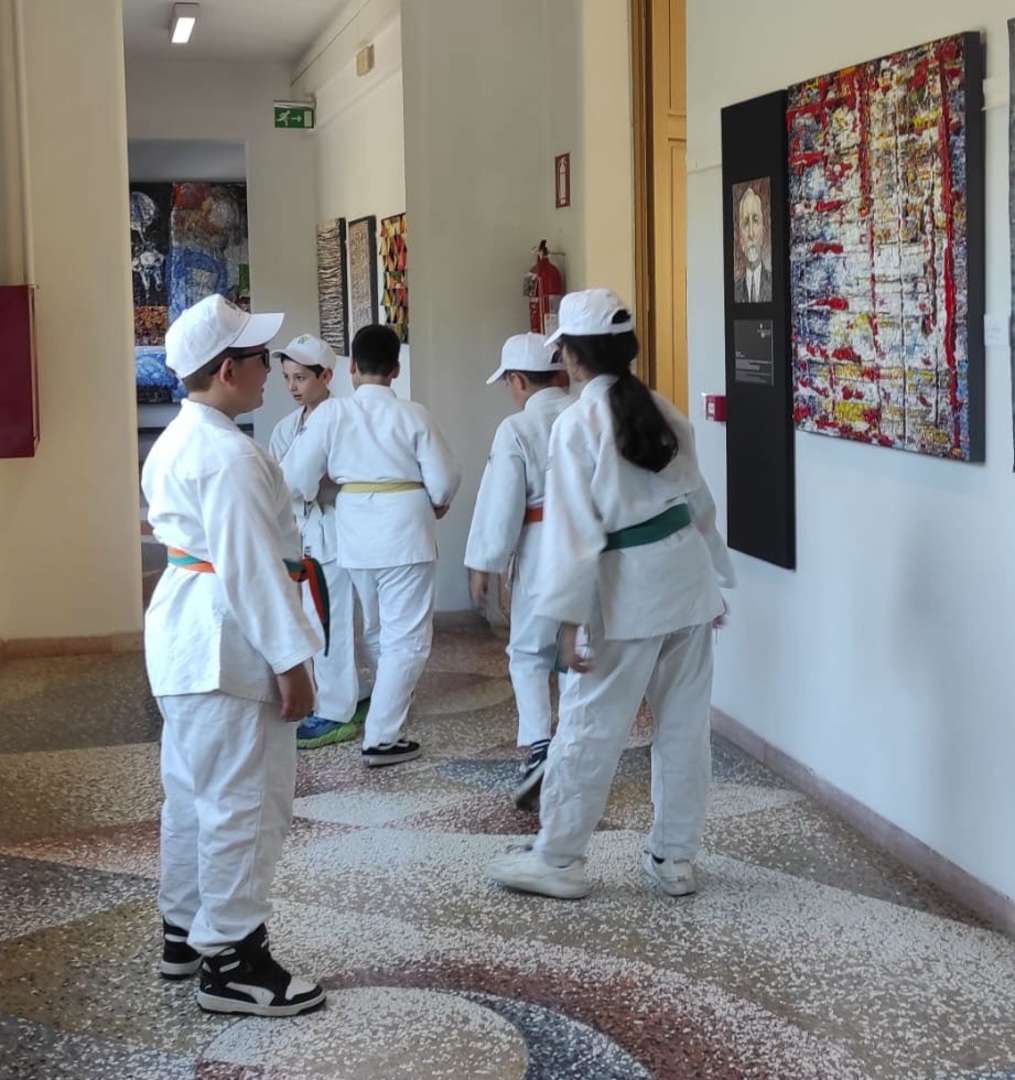
The relationship between judo and mosaic art is deeply rooted in the history of Spilimbergo. Claudio Tonus, President of Judo Club Fenati, highlighted this long-standing connection. “Our club has maintained an inseparable bond with mosaic art for decades. Since 1964, we have organised a judo tournament dedicated to this local excellence, with trophies created by master mosaic artist Rino Pastorutti. Bringing young people to practise sport in the very place where this art comes to life represents the fulfilment of a dream and sends a strong message of unity and growth to the whole community.”
Tonus also expressed his gratitude to Stefano Lovison, President of the Scuola Mosaicisti del Friuli, whose support helped make the initiative possible and further demonstrated the school’s commitment to serving as an open and vibrant cultural institution.
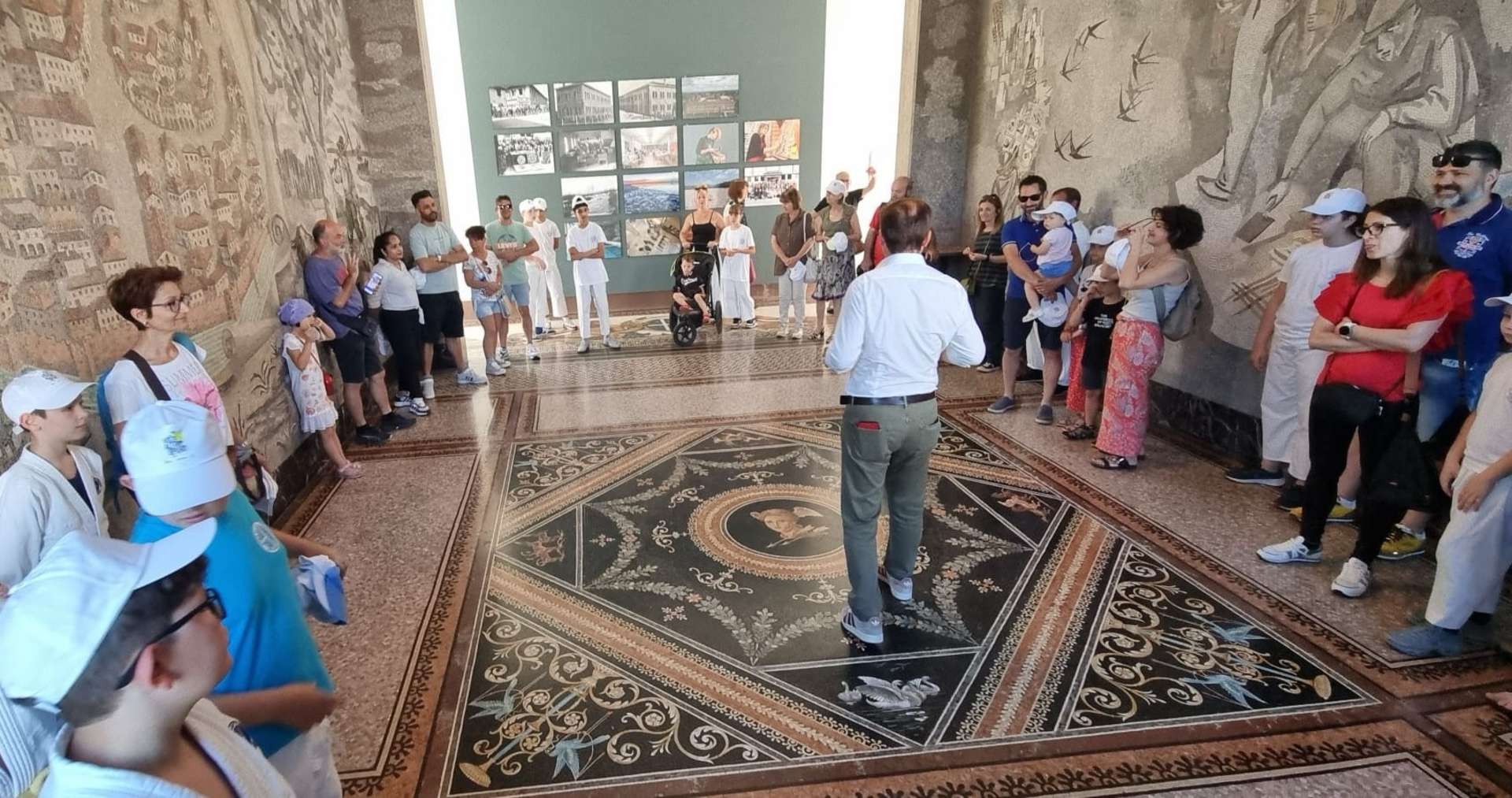
The venue itself carries a remarkable sporting legacy. The school played an historic role in creating the mosaic decorations of Rome’s Foro Italico and Olympic swimming complex during the 1930s, masterpieces that remain visible today and stand as enduring symbols of the connection between art and sport.
As the activities came to an end, the event left participants with far more than sporting experiences. Guided by the educational principles shared by judo and the art of mosaic, they discovered that every individual has value, every contribution matters and every difference helps create a stronger community. It was a powerful reminder that sport can build bridges, inspire confidence and help young people find their place within a larger picture.