
Why Belonging?
Belonging is a strong, unifying theme for World Judo Day 2026. It expresses a simple but essential idea: judo is not only a sport in which everyone should be welcomed but a community in which everyone should feel they have a rightful place. While inclusion, the theme for 2022, focused on opening the door, belonging goes further. It asks whether the person who enters feels recognised, respected, supported and able to remain. It moves from participation to connection.
A Theme for Everyone
Belonging embraces judoka with disabilities, including participants in adapted and deaf judo. It also speaks to women and girls seeking their full place in the sport, children discovering judo, and refugees and displaced people for whom a dojo can offer stability, confidence and friendship.
The theme reaches anyone who may feel distant from sport for social, economic, cultural or geographical reasons. The message is clear: there is a place for everyone in judo, whatever their background or personal journey.
Belonging in Action
The Ecole Mont-Olivet Lausanne Grand Slam 2026 offered a meaningful example. As the first inclusive grand slam in history, it brought World Judo Tour competition, adapted judo and deaf judo together within the same event environment.
Sarajevo extended that message further. Between the World Veteran Championships and the World Championships Kata, Special Olympics athletes took their place at the centre of the arena, competing in shiai and demonstrating kata as part of the same international gathering. Their presence showed that inclusion is not an activity on the margins of an event. It belongs within its programme, its venue and its shared public moment.
Lausanne and Sarajevo showed that excellence and belonging are not opposing ideas. High-level competition can stand alongside openness, diversity and respect. The judo family is strongest when it gives visibility, opportunities and recognition to all its members.
A Global and Practical Message
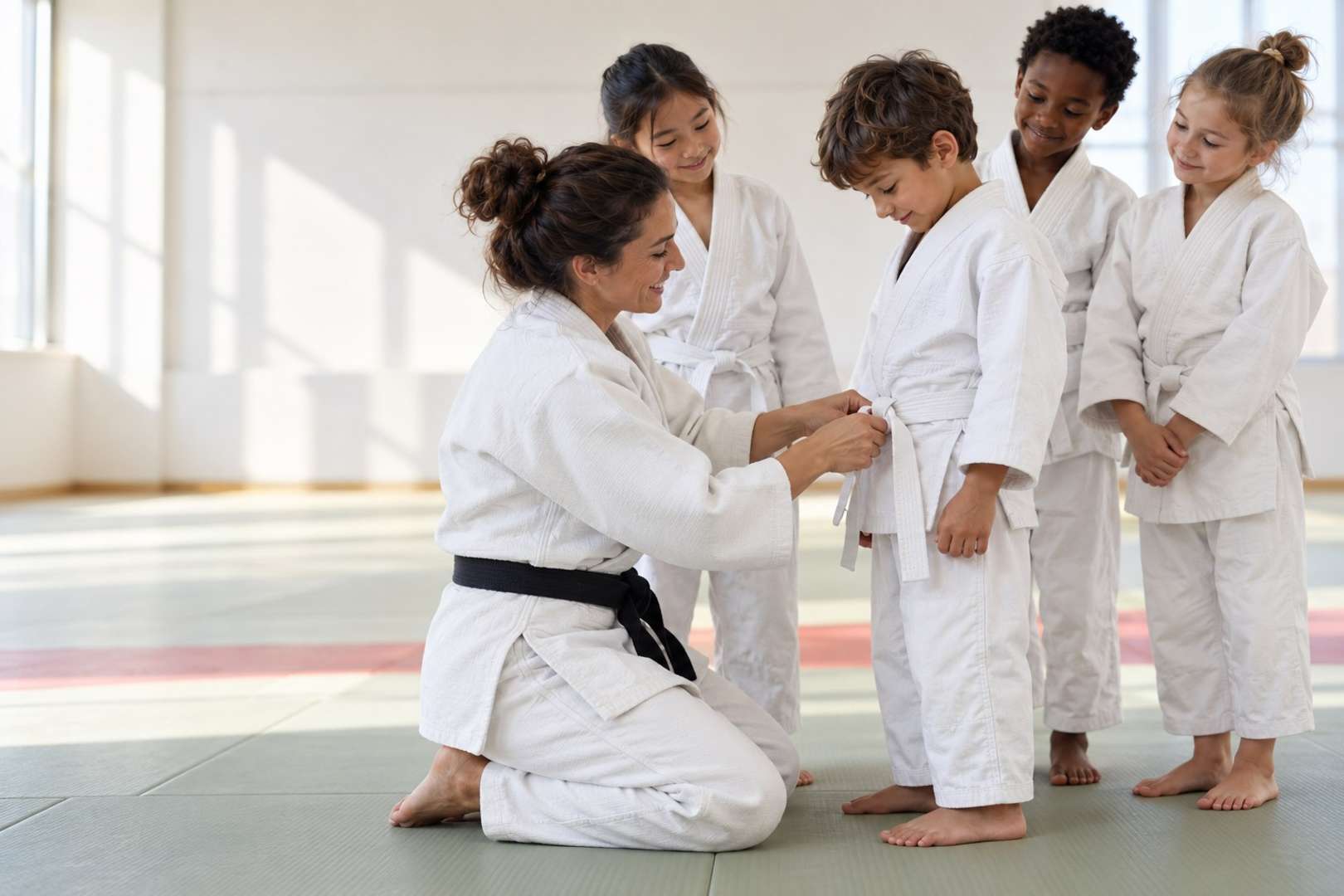
Belonging can be brought to life by every national federation, club and dojo. Activities may include welcoming new groups, celebrating volunteers and training partners, creating sessions for women and girls, organising adapted judo demonstrations, supporting refugee programmes or simply helping another person feel welcome. It can be expressed through a child’s first bow, an athlete returning after injury, a refugee discovering a new community, a judoka with a disability competing in front of the world, or a coach giving someone the confidence to continue.