
This prestigious event is an exceptional showcase for Mongolian and world judo. It brings together Olympic medallists, world champions and the greatest talent of the moment. Yet, it represents only the visible part of a much larger vision. Behind the elite performances lies a long-term strategy that places equal importance on sporting excellence, youth development and education.
Under the leadership of President Battulga and his team, the Mongolian Judo Association has developed a comprehensive approach that reaches every part of the country, from the urban districts of Ulaanbaatar to the vast rural landscapes that make up most of Mongolia. The objective is clear: to maintain Mongolia’s status as one of the world’s leading judo nations while ensuring that the values of judo continue to inspire and educate future generations.
The Judo Kid Project has become the cornerstone of this educational ambition and it reached a new level in 2026. Since the beginning of the year, the Mongolian Judo Association has placed particular emphasis on using judo as a tool for the development, education and character building of children, recognising that they represent the future of the nation.
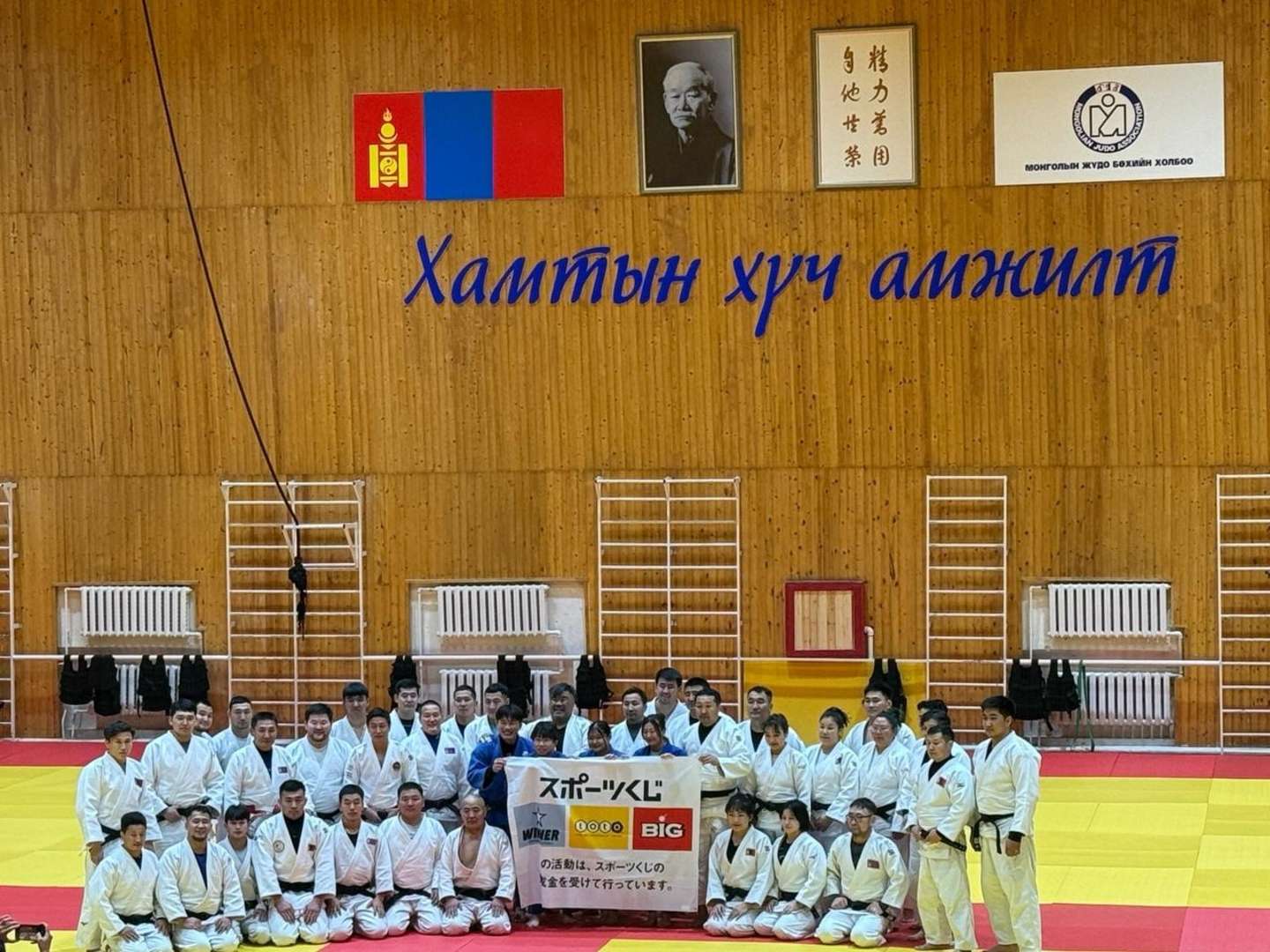
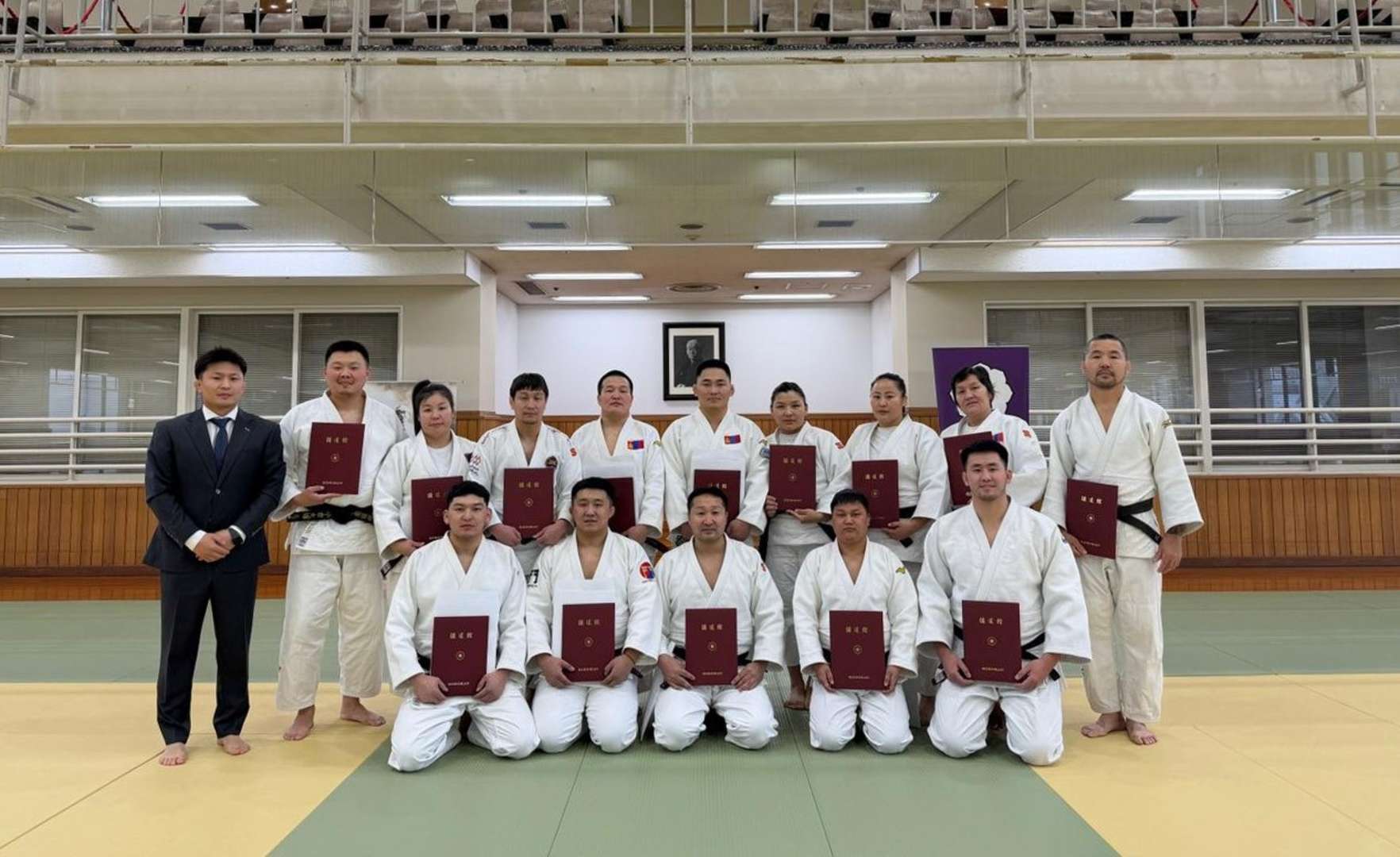
One of the first major initiatives was the “Judo for Tomorrow” programme, held in February, which brought experienced Japanese instructors to Mongolia to share their expertise with young athletes and local coaches. The exchange continued in March when coaches specialising in children’s judo travelled to the Kodokan Institute in Japan, the birthplace of judo, where they received valuable professional training to further strengthen their teaching methods.
Development, however, cannot exist without access. This is why a major equipment programme has been launched across the country. In May, complete tatami sets were donated to districts in Khuvsgul and Bulgan provinces, improving training conditions for children in rural communities. The ambition goes even further with the Mongolian Judo Association working towards equipping all 330 soums across the country, ensuring that geography is never a barrier to discovering judo.
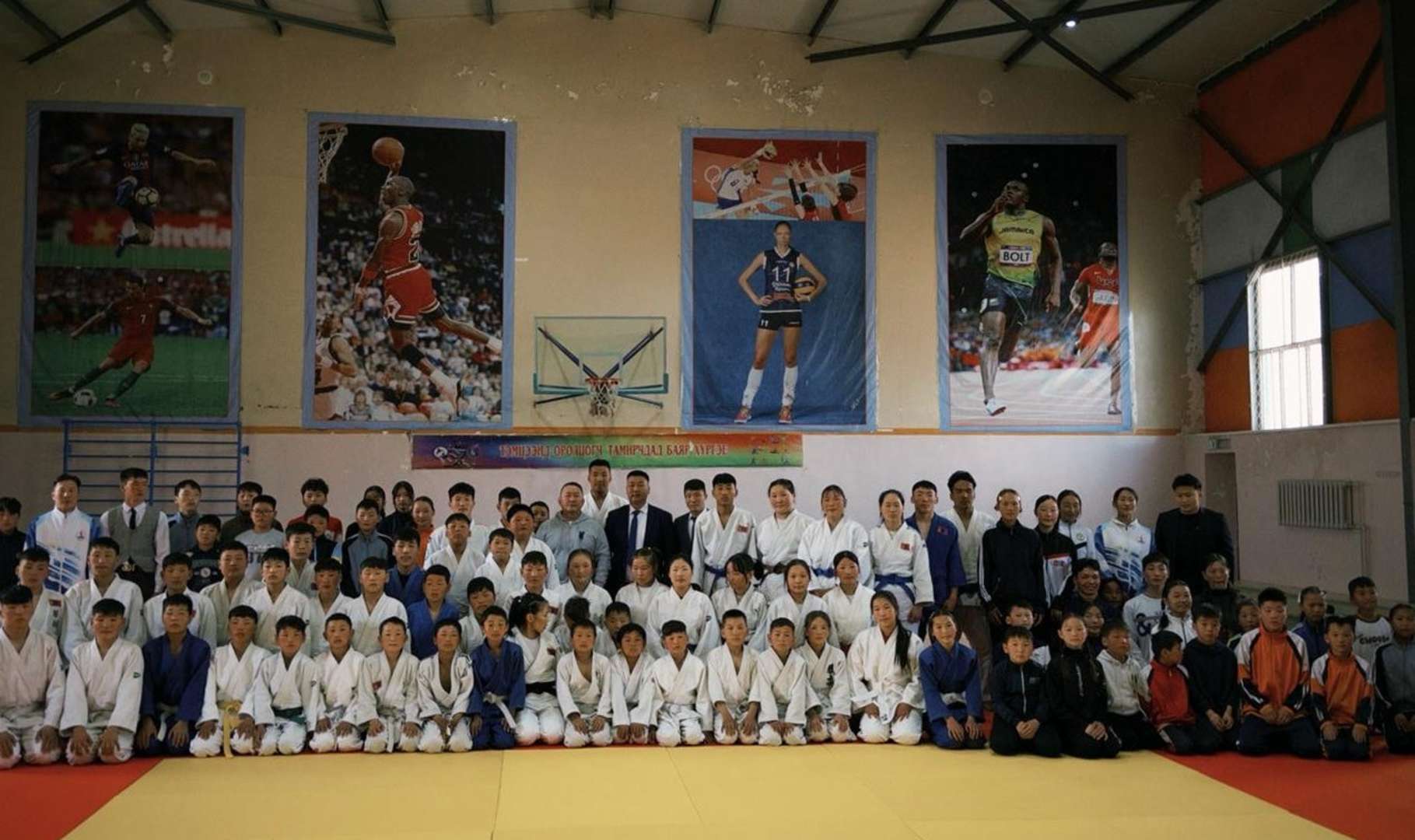
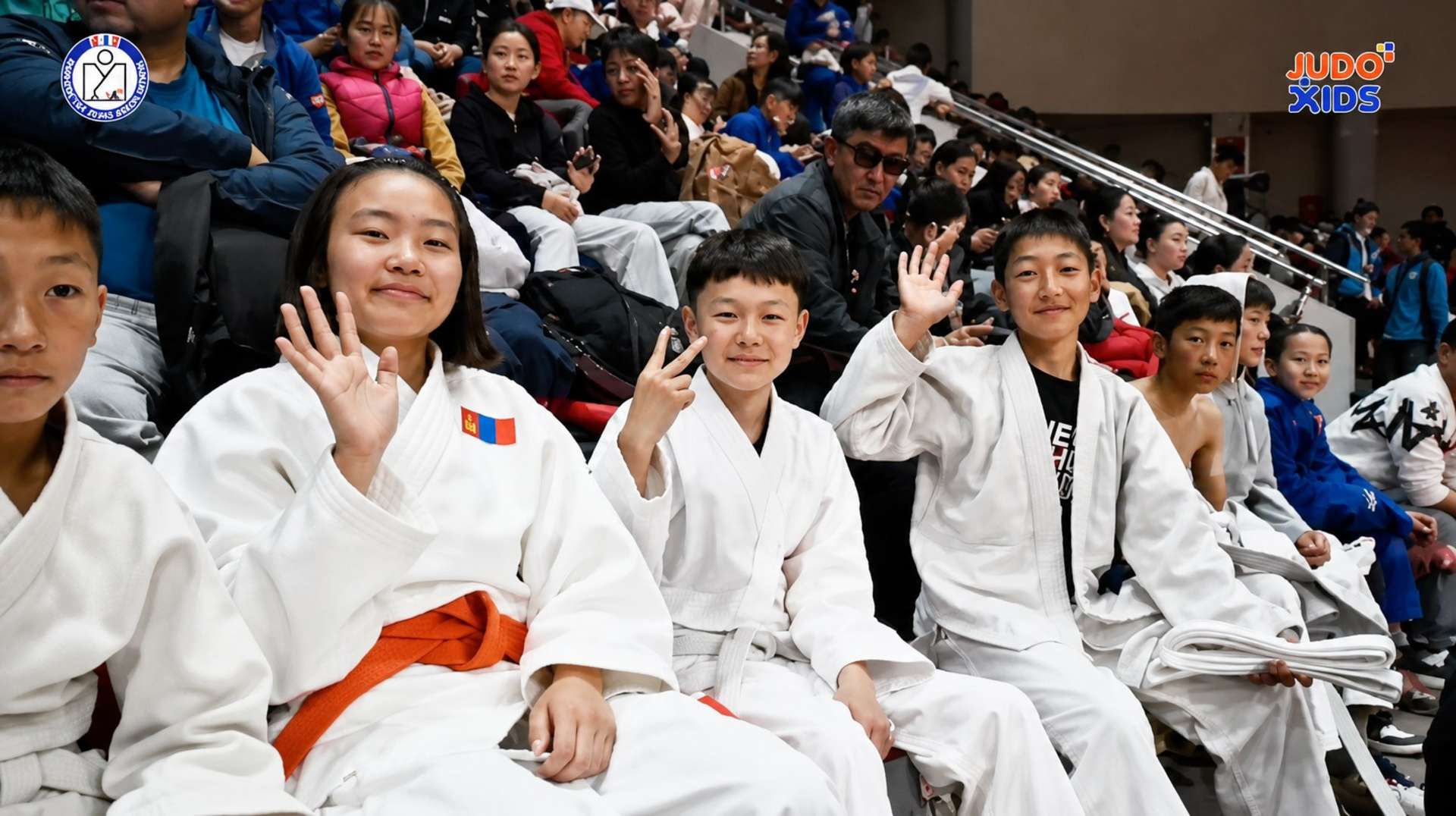
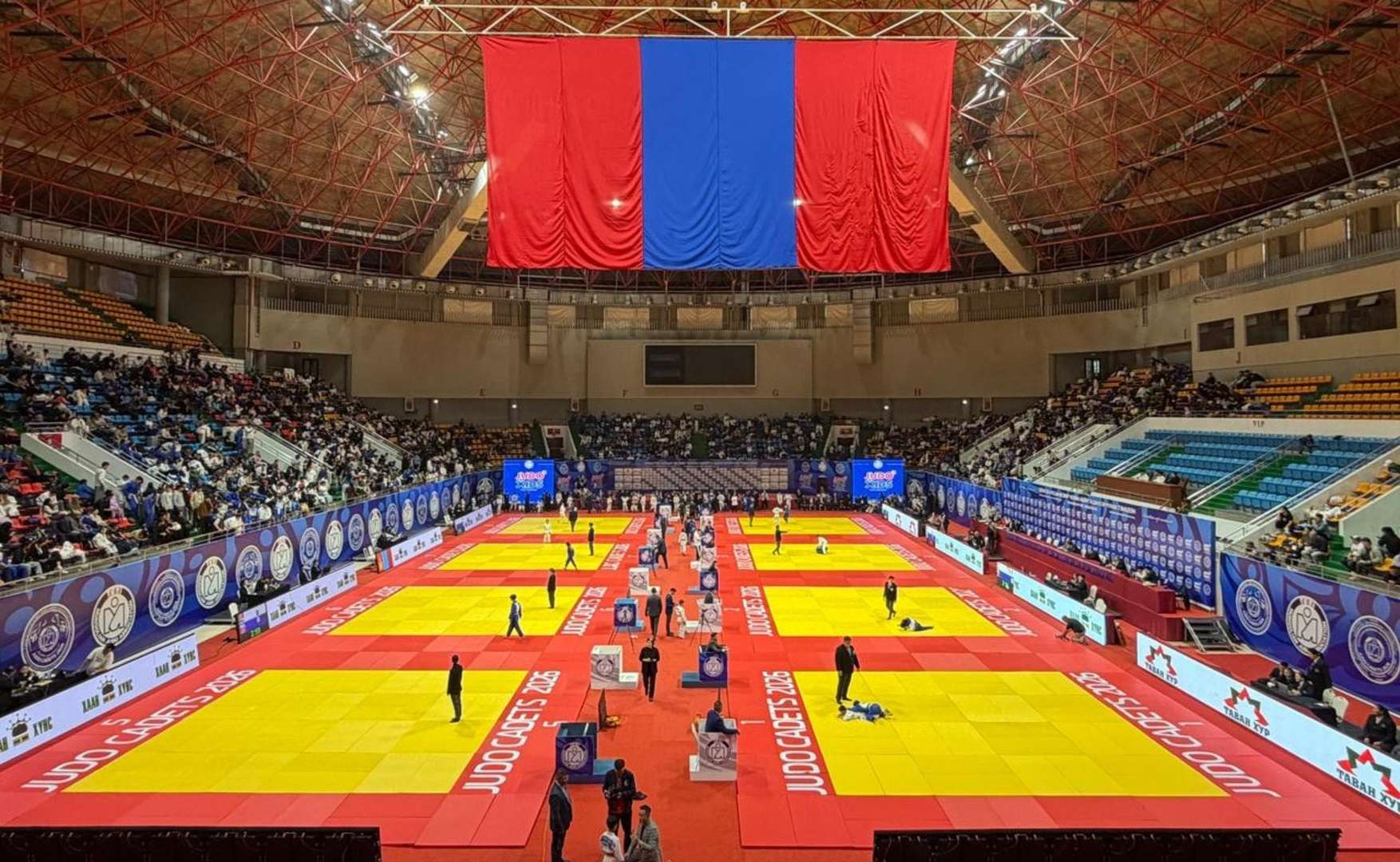
The scale of this movement became particularly clear during the National Youth Judo Championships organised in May. For three days, eight tatami were occupied by approximately 2,400 young judoka who had qualified from a nationwide participation of more than 15,000 children. More than a competition, the event was a celebration of friendship, learning and personal growth. Alongside individual contests, a team tournament involving 76 teams strengthened the sense of belonging and collective spirit that lies at the heart of judo.
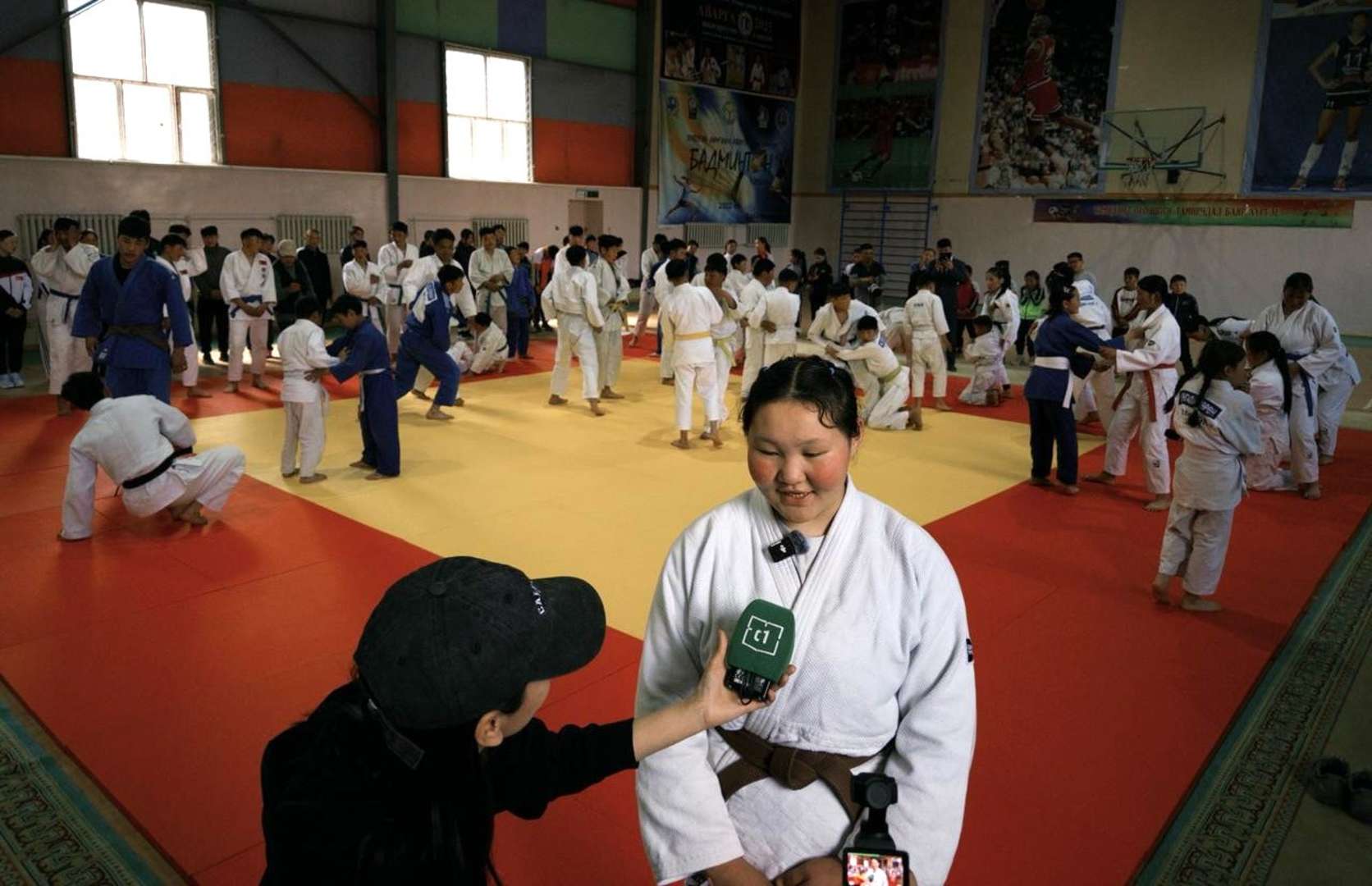
For President Battulga and the Mongolian Judo Association, these impressive figures are not simply statistics. They represent the success of a vision that has been built patiently over many years.
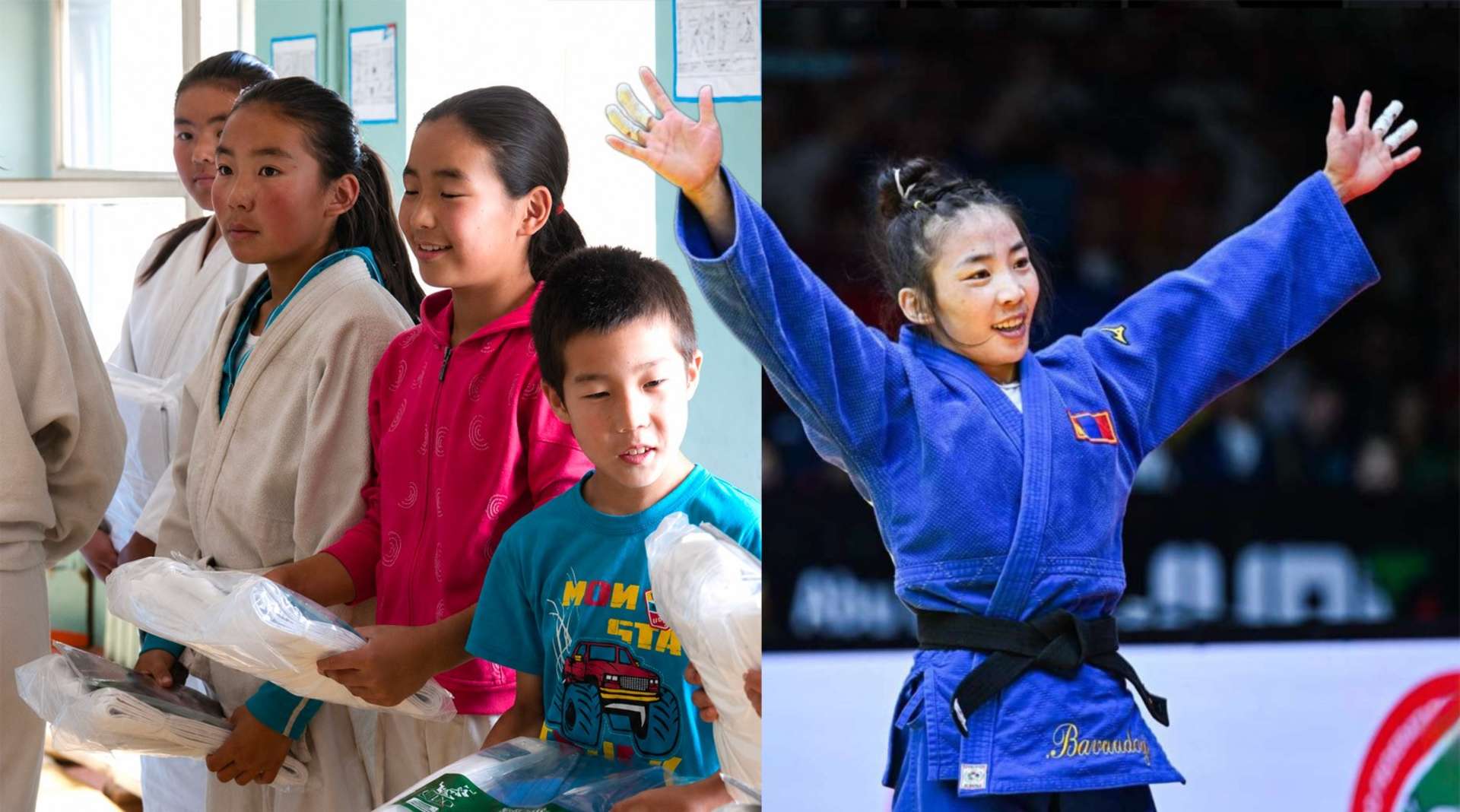
Perhaps no story illustrates this journey better than that of Bavuudorj Baasankhuu. Ten years ago, she discovered judo in a remote, rural area far from the capital. During a visit from an IJF delegation and the Mongolian Judo Association, she received her very first judogi. At the time, there was little infrastructure and limited opportunities in her region.
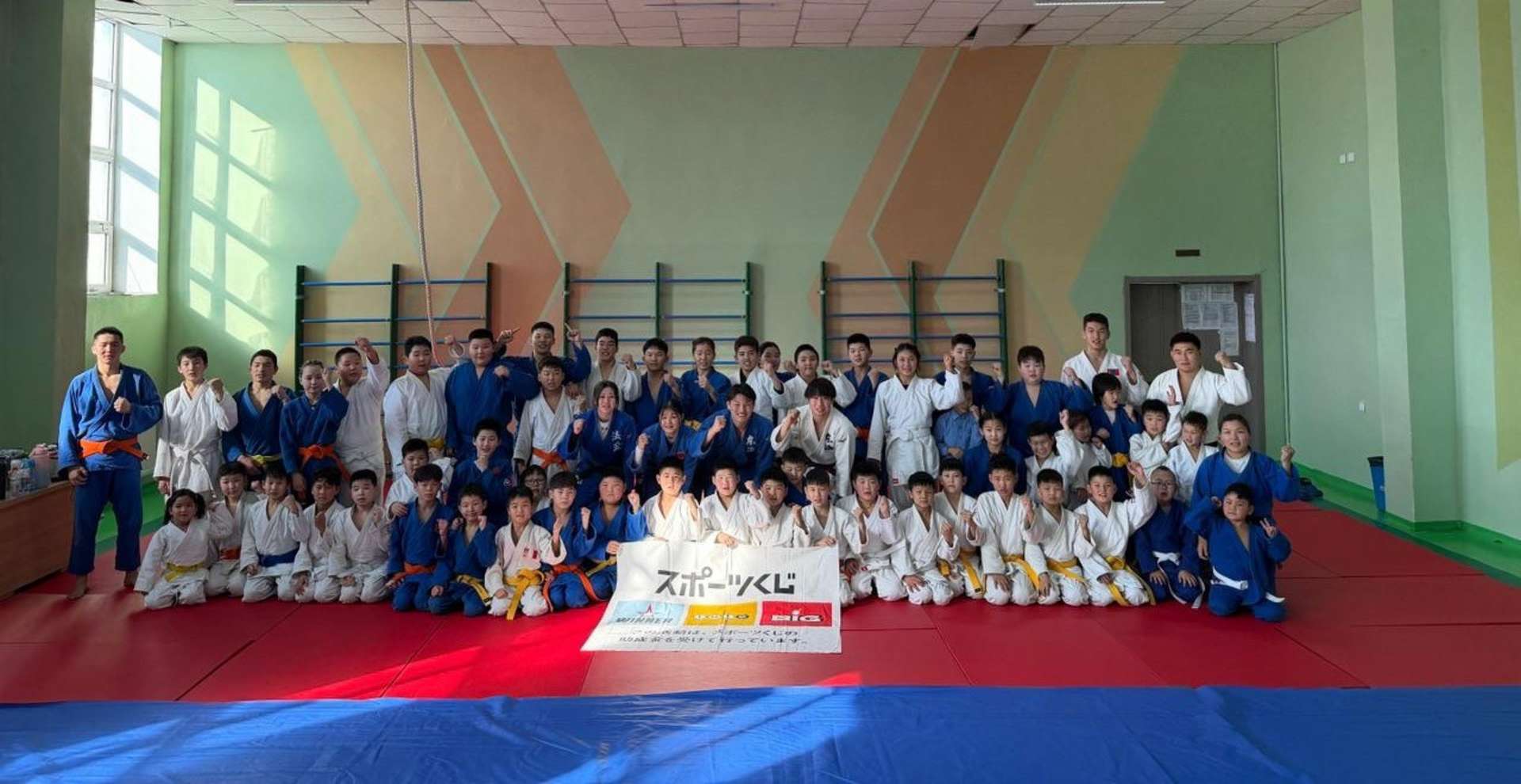
Years later, she became a world champion and won a magnificent Olympic silver medal at the Paris 2024 Games. The story did not end there. In May, the youth team from her home region won the Judo Kid competition, showing that the dream she once carried has now been passed on to a new generation.
As the world’s best athletes fight for Olympic qualification points in Ulaanbaatar, the future of Mongolian judo is already taking shape elsewhere, in schools, local clubs and rural communities across the country.
The champions of tomorrow are not only competing today at the AIC Steppe Arena. Some of them are taking their very first steps on a tatami, hundreds of kilometres away, carrying with them the same dreams that once inspired a young girl named Bavuudorj Baasankhuu.